
Chủ đề ngày hôm nay, Pestcontrol-products tìm hiểu về chủ đề cách đuổi chim bồ câu đúng cách. Cùng tìm hiểu nhé!
Trên thực tế, nhiều loài chim tại Việt Nam khi chúng ở quanh ta thì tốt, tiếng hót quyến rũ và nhờ bộ lông hấp dẫn của chúng. Bên cạnh đó, khi một số lượng chim lớn đậu cùng một chỗ, điều này có thể gây hậu quả nghiêm trọng như:
- Ô nhiễm nguyên liệu và thành phẩm, dẫn đến thất thoát doanh thu.
- Hình ảnh dơ bẩn của phân chim có thể làm nản lòng khách hàng tiềm năng muốn trở thành khách hàng thân thiết.
- Ô nhiễm thức ăn có thể dẫn đến các cơ quan y tế công buộc đóng cửa/ tạm dừng hoạt động của công ty.
- Chim có thể gây thiệt hại cho tài sản như làm tung ngói mái nhà, nghẹt hệ thống máng xối bằng tổ của chúng và phân của chúng ăn mòn vật liệu xây dựng.
- Tạm dừng kinh doanh và không kiểm toán được do bị phát hiện vệ sinh kém khi bị thanh tra.
- Ảnh hưởng tiêu cực đến hình ảnh và danh tiếng của công ty.
- Các rủi ro về an toàn đối với nhân viên và khách hàng – phân chim trơn có thể làm trượt và ngã.
- Chim có thể hung hăng và tấn công nhân viên hay khách hàng, nhất là trong mùa sinh sản khi chúng đang bảo vệ con của chúng.
Kiểm soát Chim
Bên cạnh việc gây nguy hiểm tiềm ẩn đến sức khỏe con người, chúng còn đặt công ty bạn vào rủi ro. Thì điểm mấu chốt để thoát khỏi sự xâm nhập của chim là phát hiện sớm và các phương pháp đề phòng chim hiệu quả của chuyên gia kiểm soát côn trùng dịch hại. Ngoài ra, đa số các loài chim trong môi trường tự nhiên hoàn toàn vô hại, chim có thể mang hơn 60 bệnh truyền nhiễm, như bệnh khuẩn salmonella, viêm màng não do nhiễm nấm cryptococcosis, viêm não.
Tìm hiểu một số loại chim ở Việt Nam
Chim bồ cầu
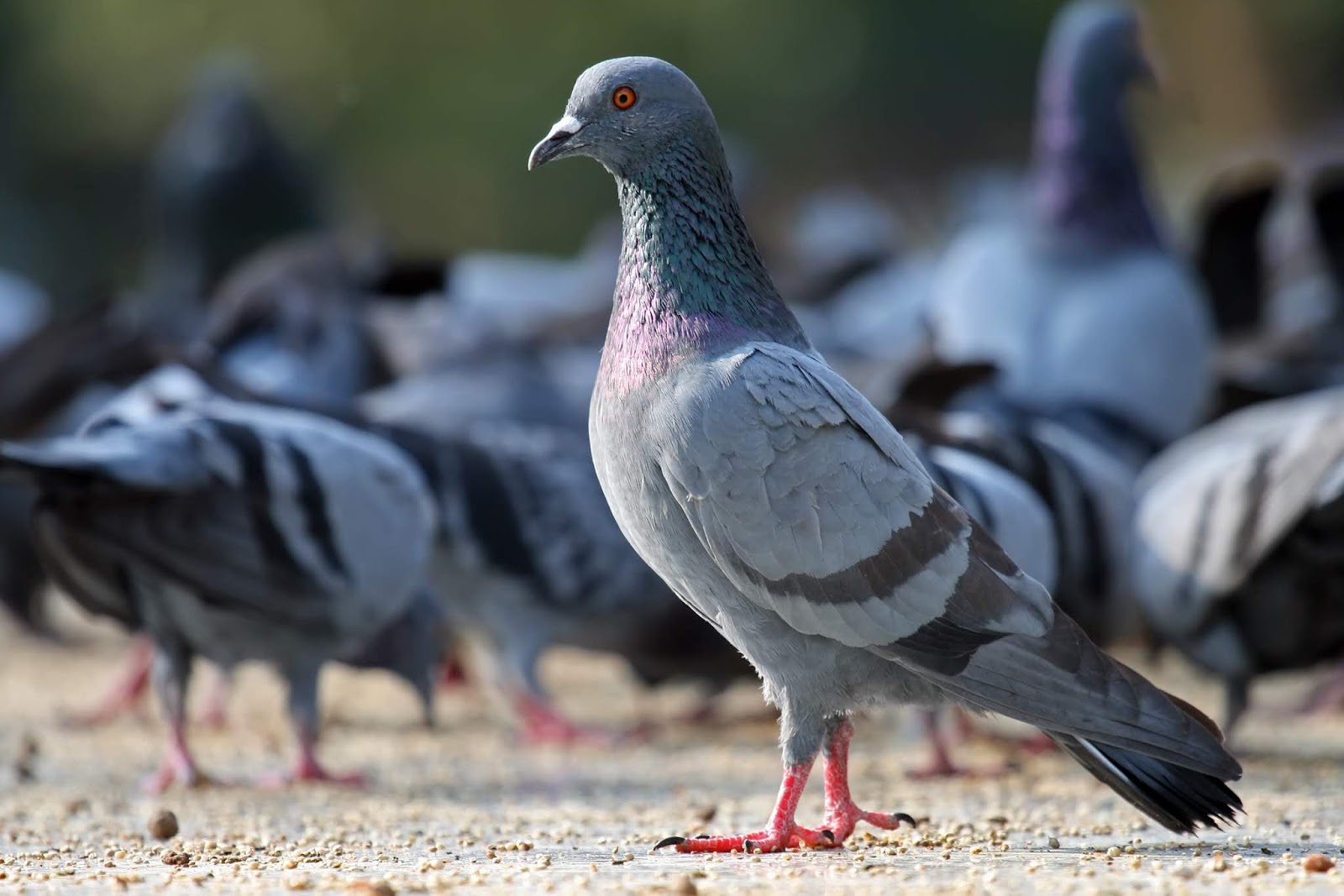
Hình dáng
- Thường có màu xám xanh (chúng cũng có nhiều màu thông dụng khác)
- Dài khoảng 12,5″
Vòng đời
- Chim non ở trong tổ từ 35 – 37 ngày.
- Thời gian ấp trứng từ 17 – 19 ngày.
- Chúng ấp trứng 2 – 3 lần/ 1 năm; mỗi ổ có 2 trứng.
Thói quen
- Chúng hay làm tổ trên bờ tường.
- Chúng ăn các loài hạt, thức ăn rơi vãi trong các khu vực xung quanh gần tổ.
Chim sẻ nhà
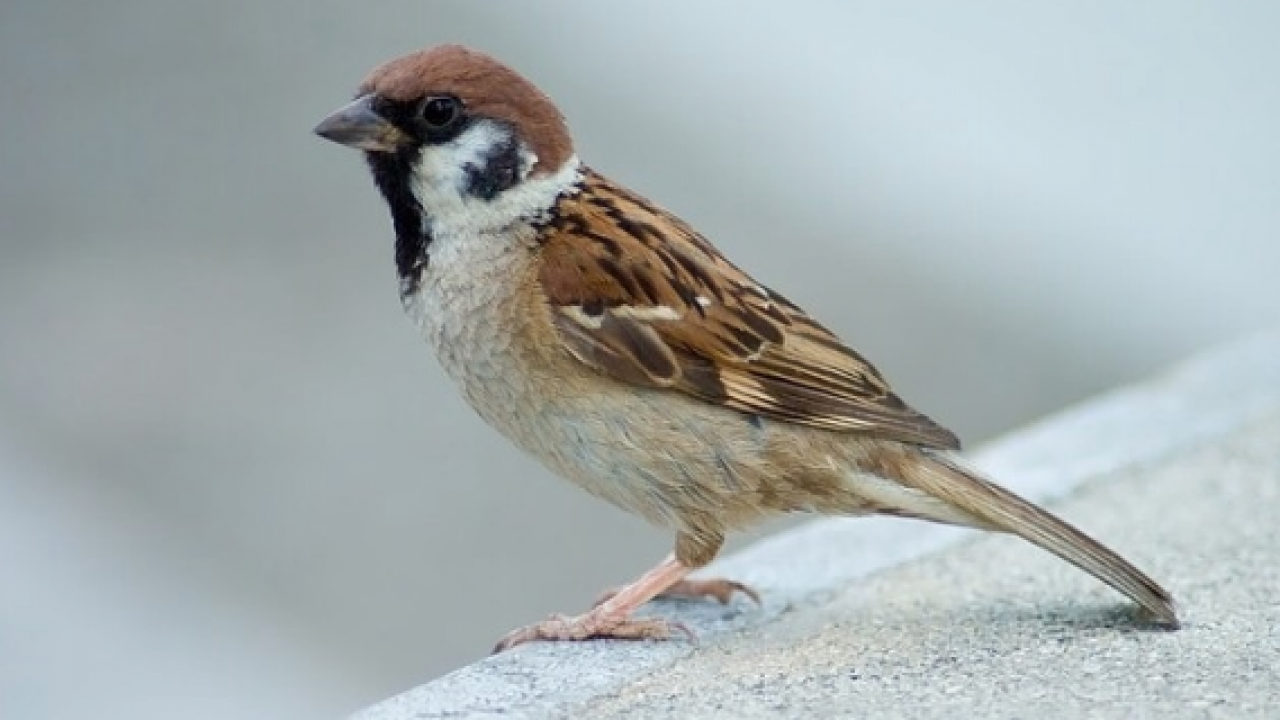
Hình dáng
- Con cái và con non hầu như toàn màu nâu trơn.
- Dài dưới 6”.
- Con đực có thể được nhận dạng qua chiếc mào xám trên đầu, và ‘cái yếm’ đen trên cổ họng.
Vòng đời
- Mùa sinh sản từ mùa Xuân đến Hè, và lên đến ba lứa, 4-6 trứng được đẻ vào thời điểm này.
- Chim sẻ sống từ bốn đến bảy năm, có đến năm mùa sinh sản.
Thói quen
- Đây là loài dịch hại đặc biệt đối với ngành thực phẩm vì rủi ro bị nhiễm bẩn từ phân và thiệt hại đến hàng hóa đã đóng gói.
- Chim sẻ sử dụng chỉ một cái tổ một năm, do đó có rác của tổ thải ra, và côn trùng từ các tổ này.
Dấu hiệu khi bồ câu xâm nhập
Đây là danh sách các dấu hiệu cảnh báo cho thấy đã đến lúc cần đến sự trợ giúp chuyên nghiệp. Nhận dạng các dấu hiệu bị chim xâm nhập và đưa ra một giải pháp ngay lập tức có thể giảm đáng kể thời gian cần thiết để kiểm soát chim gây hại hiệu quả.
- Chim đậu trên mái nhà hay gờ cửa.
- Hàng hóa hư hỏng – do chim đậu và sự hôi thối của chim.
- Rác thải ra từ tổ và lông chim – có thể làm nghẹt máng xối và hệ thống thoát nước, có khả năng dẫn đến thiệt hại do ẩm ướt.
- Tiếng ồn của chim – tiếng kêu của chim liên tục, nhất là từ các con chim non.
- Phân chim – dày đặc ở các khu vực chim đậu.
- Tổ chim – vật liệu làm tổ rải rác quanh nhà cửa của bạn
Xâm nhập ở đâu?
- Ban công, gờ cửa và đường ống ở tường bên ngoài và trong là những khu vực chim thích đậu.
- Bồ câu thích làm tổ ở các tòa nhà cao tầng, chỗ trống trên mái và dốc mái.
- Bất kỳ khoảng cách nào lớn hơn 25 mm để vào tòa nhà là một điểm xâm nhập tiềm năng của bồ câu.
Hướng dẫn cách đuổi chim bồ câu đúng cách
Nếu chim gây phiền toái cho công ty bạn, bạn có thể thử một số phương pháp. Phương pháp tốt nhất để đuổi chim mãi mãi là loại bỏ các nguồn thức ăn, tuy nhiên ở các khu vực thành thị đông dân cư, đây không phải là giải pháp khả thi:
- Loại bỏ các nguồn thức ăn tiềm năng cho chim.
- Loại bỏ đường xâm nhập để chim làm tổ (chẳng hạn đặt các vật chắn trên gờ cửa sổ) có thể là một vật ngăn cản chim hiệu quả.
- Bảo đảm nắp thùng rác được đậy chặt và túi rác không để mở – các loài chim như con quạ có mỏ nhọn sẽ mổ các túi rác.
Bồ câu và chim sẻ là một trong số thủ phạm tồi tệ nhất tại Việt Nam và việc đuổi chim là rất khó khăn do một số yếu tố sau. Dịch vụ kiểm soát chim chuyên nghiệp là rất quan trọng đối với các công ty nhằm xua đuổi chim gây hại hiệu quả, tránh thiệt hại cho tài sản và giảm rủi ro sức khỏe do sự xuất hiện của chim:
- Bồ câu có thể sinh sản suốt năm khi chúng tìm thấy một nơi làm tổ lý tưởng.
- Bồ câu không sợ người và có khả năng thích nghi cao với môi trường thành thị hiện đại.
- Các loài chim gây hại có bản năng tìm đường về tổ bẩm sinh khiến cho chúng cảm thấy gắn bó với một nơi nào đó.
- Chim sẻ là một trong số các loài chim gây rắc rối cho những nhà máy chế biến thực phẩm
Với chủ đề ngày hôm nay, Pestcontrol-products cung cấp cách đuổi chim bồ câu đúng cách. Hy vọng sẽ giúp bạn có cách kiểm soát chim đúng cách.
Có thể bạn quan tâm:
